Opens the official listing with live dates and prices. Book there; nothing is charged on this site.
Area
Miracle Mile
Theme
Film, music & cars
A spherical glass dome rises out of the Saban Building on Wilshire Boulevard, capping the roof terrace where the Academy Museum of Motion Pictures screens films under the open sky. Inside, the galleries hold the machinery of movie-making: a real Oscars statuette wall, Dorothy's ruby slippers in a case, storyboard sketches and the cameras that shot some of the most watched frames in cinema history. The building itself is a Miracle Mile landmark, a converted 1930s department store redesigned by Renzo Piano's firm, sitting directly across the street from the Petersen Automotive Museum and a short walk from LACMA. It is the largest institution in North America devoted to film, and it treats movies the way other museums treat painting: as objects made by hands, with tools you can stand in front of.
What Is The Academy Museum Of Motion Pictures?
The Academy Museum of Motion Pictures is a film museum on Wilshire Boulevard in the Miracle Mile district, opened in 2021 inside the renovated Saban Building. It is operated by the Academy of Motion Picture Arts and Sciences, the organization behind the Oscars, and it is the largest film museum in North America. General admission covers the core galleries and the building itself.
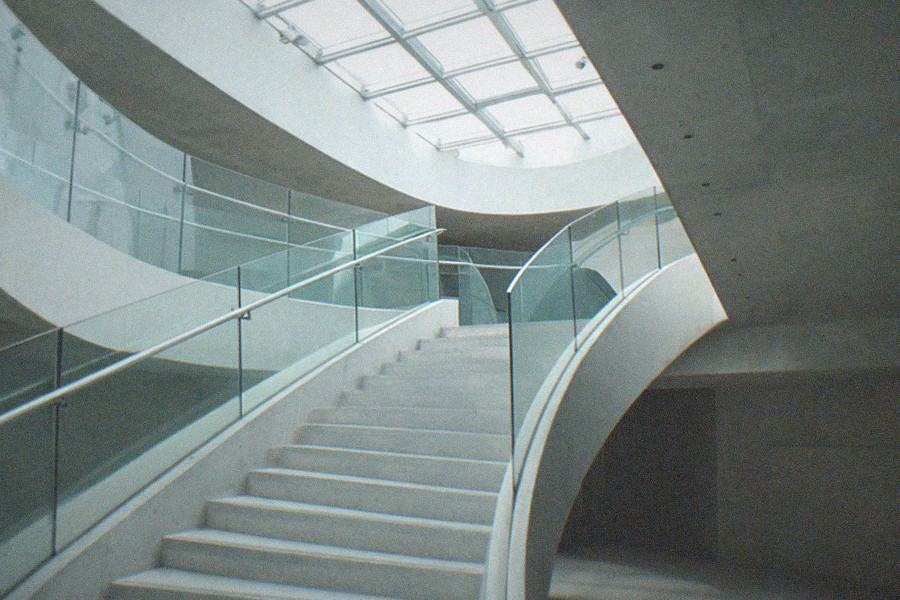
The museum occupies a 1930s Streamline Moderne department store, May Company, whose original gold cylinder corner tower still anchors the corner of Wilshire and Fairfax. Behind the historic facade rises a new spherical glass-and-concrete addition by Renzo Piano Building Workshop, containing a 1,000-seat theater and topped by the open-air Dolby Family Terrace, which looks out over the Hollywood Hills and the Hollywood sign. The contrast between the restored deco shell and the sphere is the first thing most visitors notice.
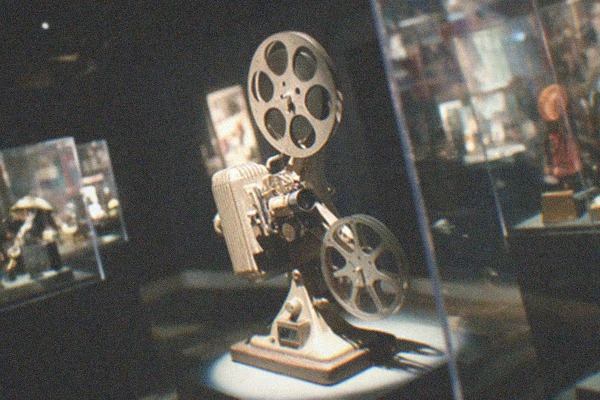
The permanent collection galleries, spread over several floors, trace how movies are made: screenwriting, casting, costume, production design, cinematography, editing, sound and the exhibition of finished films. Objects do the storytelling. There are original scripts, storyboards, costume sketches, film cameras and projectors, and a gallery devoted to the history of the Academy Awards that includes a display of statuettes. Temporary exhibitions rotate through the museum, each built around a director, a genre, a studio or a craft, and they are generally included with general admission, though occasional separately ticketed shows exist.
The Saban Building's 1930s tower and the glass sphere addition on Wilshire Boulevard.
The location is as much of the draw as the collection. The museum sits in the heart of Museum Row, the stretch of Wilshire Boulevard that also holds LACMA and the Petersen Automotive Museum, with the La Brea Tar Pits park a few blocks east. Visitors who want a full day of museums can walk between all of them without moving their car, which matters in a city where parking is usually the hardest part of any outing. For a deeper studio experience, the Warner Bros. Studio Tour Hollywood in Burbank is the natural companion piece: the Academy Museum shows how films are made, the studio tour shows where.
How Much Do Academy Museum Tickets Cost?
General admission is $25 for adults. Visitors 17 and under are always free, with no timed ticket needed for the free child entry beyond the accompanying adult's booking. The Oscars Experience is a $10 add-on to a general admission ticket and cannot be bought on its own. There is no standing free day for adults.
The museum occasionally runs Free-For-All days on which general admission is free for everyone, but these are sporadic events announced by the museum rather than a recurring monthly window, so nobody should plan a trip around one. Unlike LACMA down the street, which has a weekday-after-3pm free window for LA County residents, the Academy Museum has no resident free policy at all. The honest summary: adults pay, under-18s do not, and the only regular discount structure is what the museum publishes on its own ticket page, which lists any concession rates for seniors and students.
Ticket
Price
Notes
General admission (adult)
$25
Covers core galleries and most exhibitions
Visitors 17 and under
Free
Always free, every day the museum is open
The Oscars Experience
$10 add-on
Requires a general admission ticket
Free-For-All days
Free
Occasional; announced by the museum, not scheduled
The Oscars Experience is the museum's signature upsell: a staged recreation of accepting an Academy Award, complete with a statuette in hand and a photo moment. It is popular with families and film fans, and it is the one part of the museum that reliably sells out, so anyone who wants it should check availability on the listing when booking the main ticket rather than waiting until arrival.
Tickets are sold both on the museum's own site and through booking platforms. The current listing on the booking panel at the top of this page carries a 4.5 rating from 214 reviews, which puts it among the better-reviewed paid museums on this stretch of Wilshire. Booking ahead is sensible on weekends and any day a major exhibition opens, because timed-entry slots in the afternoon go first.
Where Do You Park At The Academy Museum?
Parking at the Academy Museum is paid. The museum does not publish a flat visitor rate in the verified material for this page, so treat parking as a separate cost on top of the $25 ticket and confirm the current rate on the official site before arriving. On-street metered parking on the surrounding Miracle Mile streets exists but is scarce and time-limited.
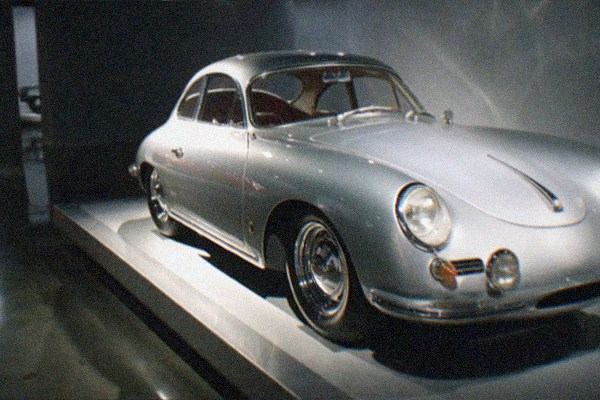
This is standard for Museum Row. Every major institution on this stretch of Wilshire Boulevard charges for parking separately from admission, and none of them bundle it into the ticket. The Petersen Automotive Museum across the street, for example, quotes a $17 parking fee on its tour listing. The Academy Museum's own site lists its parking options and current rates, and those should be treated as the source of truth, since rates in this corridor change with museum demand.
A few practical points that hold regardless of the exact rate. First, arriving before 10am on a weekday makes both the garage and the street parking dramatically easier; by early afternoon on a Saturday, the whole block is hunting for spaces. Second, visitors planning to combine museums should park once and walk: LACMA is directly across the street, the Petersen is opposite the museum's front door, and the La Brea Tar Pits park is a short walk east. Moving the car between each one wastes both time and money. Third, read the meter signs carefully on the residential side streets off Fairfax, since some are permit-only for residents and the boundaries are not obvious.
Anyone willing to skip driving altogether has a genuinely good alternative, covered in the transit section below: the Metro D Line's Wilshire/Fairfax station puts visitors a block from the museum's front door, which removes the parking question entirely. For a day built around cars rather than film, the Petersen Automotive Museum across the street is the natural pairing, and its parking fee is quoted on its own listing.
How Do You Get There By Transit?
The Metro D (Purple) Line's Wilshire/Fairfax station sits roughly a block from the museum's entrance, making the Academy Museum one of the easiest major museums in Los Angeles to reach without a car. The museum is at 6067 Wilshire Boulevard, on the southwest corner of Wilshire and Fairfax.
The D Line extension to Wilshire/Fairfax connected Museum Row to Downtown Los Angeles and, via transfer at Wilshire/Western or Union Station, to the rest of the Metro rail network. Riders coming from Hollywood can transfer at Hollywood/Highland onto the D Line; riders from Downtown board directly. Current schedules, fares and service alerts are on metro.net. The station's proximity means a visitor can stay in Downtown LA, ride one train, spend the day on Museum Row and ride back without ever confronting Miracle Mile parking.
Bus service along Wilshire Boulevard is also dense, with multiple Metro local and rapid lines stopping within a block of the entrance. For visitors combining the museum with other Los Angeles sights, the transit-accessibility cuts both ways: the museum is easy to reach, but the rest of Museum Row's attractions are all within a five-minute walk, so there is no reason to move a car between them.
For visitors coming from farther afield, the practical pattern is to drive to a D Line park-and-ride or stay near a rail station and take the train for the final leg. This is the single best workaround for the paid parking situation described above. It also pairs well with a longer Hollywood day: the Madame Tussauds Hollywood wax museum sits on Hollywood Boulevard near a Metro station, so a Hollywood morning and a Miracle Mile afternoon can be done entirely by rail.
What Should You Not Miss Inside?
The Oscars gallery, the ruby slippers, the Spielberg family gallery and the Dolby Family Terrace are the four stops most visitors name as highlights. The Stories of Cinema exhibition threads through the building and is the spine of the visit, and the terrace view over the Hollywood Hills is free with admission.
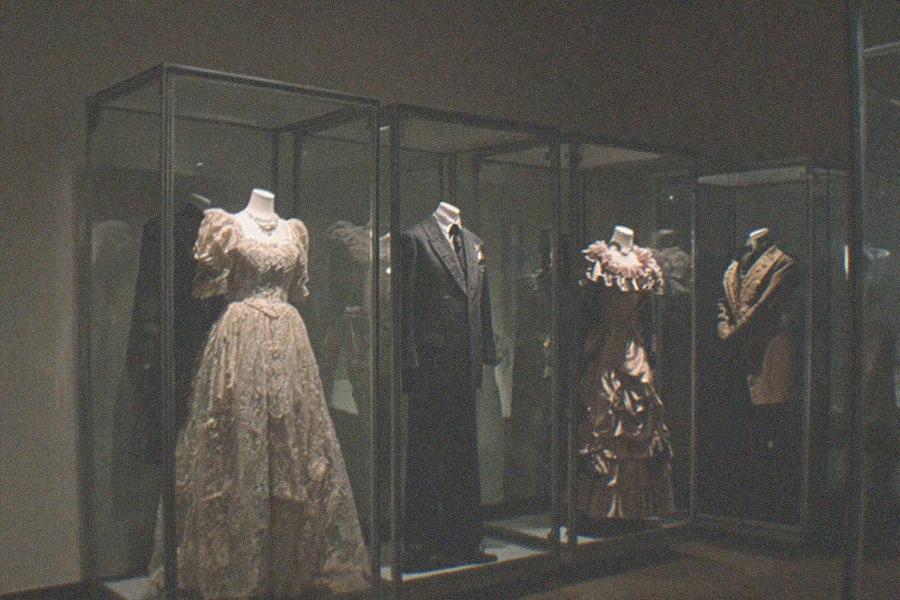
The Stories of Cinema galleries occupy the core of the building, arranged so visitors descend or ascend through the crafts of film-making: the pipeline from idea to script to screen. Within it, individual galleries spotlight directors and crafts, and the objects are the point. Costumes, original scripts, cameras and production art are displayed at eye level with real context, not behind a wall of text. The Academy Awards gallery, with its display of statuettes and ceremony history, is where most visitors spend their longest stretch, and it is the natural place to decide whether the $10 Oscars Experience add-on is worth booking.
The Stories of Cinema galleries display costumes, scripts and cameras at eye level.
The rooftop Dolby Family Terrace is the quiet highlight. The glass sphere's top level opens onto a panoramic view that takes in the Hollywood Hills and, on clear days, out toward the ocean. It is a short stop, but it is the one part of the museum no other LA attraction can replicate, and it makes a good final stop before leaving.
Temporary exhibitions rotate every few months and are usually included in general admission, though the museum occasionally mounts separately ticketed shows, so check what is on before booking. Allow roughly two to three hours for the core galleries, longer with a temporary exhibition or the Oscars Experience. Film screenings in the sphere's theater are ticketed separately from admission and are listed on the museum's own calendar; catching one turns a museum visit into a full evening, since the theater is inside the same building.
How Long Should You Allow And When Is It Open?
The Academy Museum is closed on Tuesdays. Allow two to three hours for a full visit, or up to half a day if adding a temporary exhibition, the Oscars Experience or a screening. The museum sits in the Miracle Mile district at 6067 Wilshire Boulevard, Los Angeles, CA 90036.
Opening hours vary by day and season, and the museum publishes the current schedule on its own site, so treat that as the definitive source rather than any third-party summary. The one fixed fact worth memorizing is the Tuesday closure, which catches out visitors planning a Museum Row week since several neighbors close on different days: LACMA closes Wednesday, so a Tuesday visitor to this stretch of Wilshire finds the Academy Museum shut while LACMA is open, and vice versa. Anyone planning a multi-museum day should build the itinerary around the closed days, not around convenience.
Fact
Detail
Hours
On the official site
Closed
Tuesday
Area
Miracle Mile, Museum Row
Parking
Paid; current rate on the official site
Time to allow
2 to 3 hours; half a day with add-ons
Nearest Metro
Wilshire/Fairfax (D Line), about a block away
The best visiting pattern for a full Museum Row day is to start at the Academy Museum when it opens, walk to the Petersen Automotive Museum or LACMA after lunch, and finish at the La Brea Tar Pits park in the late afternoon. All of it is walkable, and none of it requires moving a car once parked. Weekend afternoons are the busiest window at all of them; weekday mornings are the calmest. School groups tend to arrive mid-morning on weekdays, so the first hour after opening is the quietest time in the galleries.
For visitors whose interest in film runs deeper than galleries, the Warner Bros. Studio Tour Hollywood makes a strong second day: real soundstages and backlots in Burbank, roughly a 30 to 45 minute drive from Miracle Mile depending on traffic.
Questions People Ask
How much are Academy Museum tickets?
General admission is $25 for adults. Visitors 17 and under are always free. The Oscars Experience is a $10 add-on that requires a general admission ticket. Occasional Free-For-All days make general admission free for everyone, but there is no standing free policy for adults.
Is the Academy Museum free for kids?
Yes. Visitors 17 and under are always free, every day the museum is open, with no special window or residency requirement. Only the accompanying adults need tickets, and the $10 Oscars Experience add-on applies on top of a paid adult admission.
What day is the Academy Museum closed?
The Academy Museum is closed on Tuesdays. Note that its neighbors on Museum Row close on different days: LACMA closes Wednesday, and the Petersen Automotive Museum is open daily. Plan a multi-museum day around the closed days rather than assuming they match.
Is there free parking at the Academy Museum?
No. Parking is paid, and the museum does not publish a flat visitor rate in the verified material for this page, so confirm the current rate on the official site before arriving. Metered street parking on the surrounding Miracle Mile streets exists but is scarce and time-limited.
Can you take the Metro to the Academy Museum?
Yes. The Metro D Line's Wilshire/Fairfax station sits roughly a block from the entrance at 6067 Wilshire Boulevard, making this one of the easiest major LA museums to reach by rail. Current schedules and fares are on metro.net. Taking the train removes the paid parking question entirely.
How long does a visit take?
Allow two to three hours for the core galleries, and up to half a day if adding a temporary exhibition, the $10 Oscars Experience, or a screening in the sphere's theater. The rooftop Dolby Family Terrace view is included with admission and is a short stop at the end.
What is The Oscars Experience?
It is the museum's signature add-on: a staged recreation of accepting an Academy Award, with a statuette in hand and a photo moment. It costs $10 on top of a general admission ticket and cannot be bought on its own. It is the one part of the museum that reliably sells out, so book it ahead.
Is the Academy Museum near other museums?
Yes. It sits on Museum Row: the Petersen Automotive Museum is directly across Wilshire Boulevard, LACMA is a short walk away, and the La Brea Tar Pits park is a few blocks east. Park once and walk between them, since moving the car between each one wastes both time and money.
Planning a visit to the Petersen Automotive Museum on Wilshire Boulevard? Ticket prices, parking costs, hours, how long to allow and what to see in the Vault.
A practical guide to the Warner Bros. Studio Tour Hollywood in Burbank: ticket prices, parking, tour highlights, how long to allow and how to get there.