Science Museums In Los Angeles: Where To Go And What Costs Money
Exposition Park puts three science collections on one lawn, and one of its headline exhibits is off display until November 2026. Here is what that means for planning a science day in Los Angeles right now.
Short answer
Exposition Park is the center of science in Los Angeles: the California Science Center is free, the Natural History Museum is $18, and the California African American Museum is free, all on one lawn. Griffith Observatory and the La Brea Tar Pits add free outdoor science, and the Aquarium of the Pacific is the main day trip.
Los Angeles does not sell its science in one building. It spreads it across a park in Exposition Park, a hilltop in Griffith Park, a bubbling lake of asphalt on the Miracle Mile, and a harbor in Long Beach. That spread is the planning problem. A family can walk from a space hangar to a dinosaur hall in five minutes, or lose an afternoon crossing town to a museum that turns out to be closed that day. This guide puts the science collections in order, states what each one really costs, and flags the one closure that changes every itinerary written before November 2026.
What Are The Science Museums In Los Angeles?
The science lineup runs: the California Science Center and the Natural History Museum in Exposition Park, the California African American Museum on the same lawn, Griffith Observatory in Griffith Park, the La Brea Tar Pits on the Miracle Mile, and the Aquarium of the Pacific in Long Beach as the main day trip. Two of those are free to enter outright, one charges $18, one is free with ticketed extras, and one is a working excavation site you can walk for free. The science center's headline exhibit, Space Shuttle Endeavour, is off display until the Samuel Oschin Air and Space Center opens on 13 November 2026, which is the single most important fact for anyone planning a visit this year. Anyone sorting the full city list, art included, should start with the best museums in Los Angeles overview and then narrow by interest.
The first thing to understand is that "science museum" in this city covers three different kinds of place. The California Science Center and the Natural History Museum are traditional indoor collections, one free and one paid, sitting close enough that a combined visit is the obvious move. Griffith Observatory is a working observatory where the building is free but the planetarium shows carry their own tickets. The La Brea Tar Pits are the outlier: the indoor museum building is closed for renovation, and what remains open is the outdoor Hancock Park landscape and the Lake Pit, free to walk, with an excavator tour sold separately.
The honest price picture matters here because the marketing around Los Angeles museums is misleading. Free admission rarely means a free day. Parking at Exposition Park is paid, the planetarium shows at Griffith are ticketed, and the free museums on the Westwood side of town charge for their garages. The pattern is consistent enough that it is worth stating once: in Los Angeles the museum is often free and the parking is not. The Getty campuses are the extreme case, with parking at $25 per car and $15 after 3pm per the museum's own parking page, but every science site in this guide has some version of the same catch.
Why Is Exposition Park The Best Base For A Science Day?
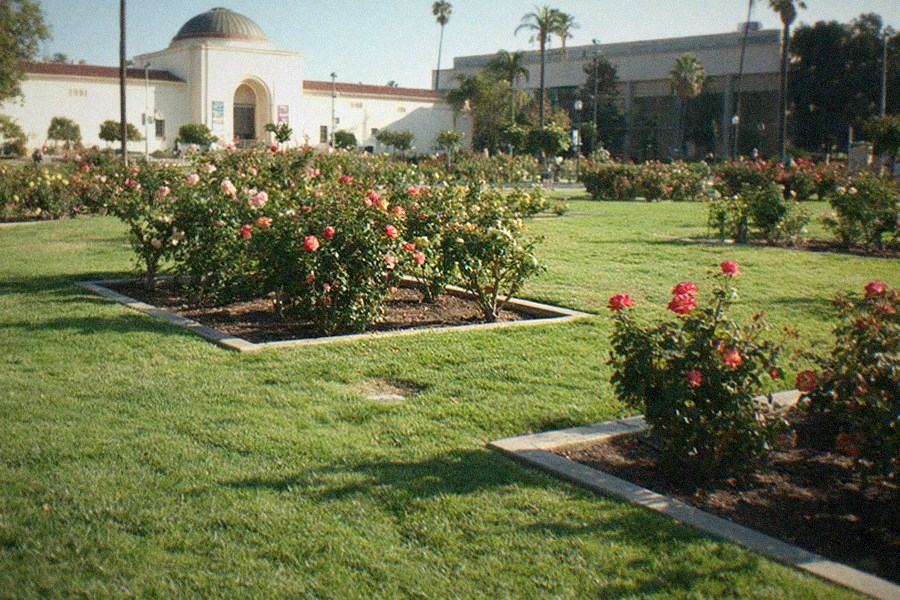
Exposition Park is the best base for a science day because it puts three museums on one lawn: the California Science Center, which is free and open daily; the Natural History Museum, which costs $18 and is closed the first Tuesday of the month; and the California African American Museum, which is free and closed Mondays. No other spot in the city concentrates science like this, and no other spot lets a family park once and cover three institutions on foot. The science center absorbs the hands-on hours, the natural history museum carries the dinosaur halls, and the African American museum adds a free history stop in between. A visitor can see a space program, a fossil collection and a rotating exhibition in a single afternoon, with the Rose Garden in the middle for the point where everyone's attention runs out.
The pairing of the science center and the natural history museum is the strongest one-two in the city for families. The science center's permanent galleries are free, open every day, and built around hands-on exhibits, which makes it the place to start with younger children. The natural history museum, at 900 Exposition Boulevard, is the older, quieter institution, with the dinosaur halls and the mammal dioramas, and it rewards a slightly longer attention span. Tickets there run $18, with one important catch: LA County residents get free admission on weekday afternoons, on site only, so locals arriving mid-week can walk up and pay nothing.
The third building on the lawn, the California African American Museum at 600 State Drive, is free with no product and no buy button, closed Mondays. It is a history museum rather than a science museum, but it sits between the other two, costs nothing, and makes a natural last stop. Two practical notes shape any visit. Parking in Exposition Park is paid, and the lots fill on weekends and game days at the adjacent stadium, so arriving before mid-morning is the reliable move. And the Metro Expo Line stops at the park, which is the one genuinely cheap way in.
| Building | Address | Entry | Closed |
|---|---|---|---|
| California Science Center | 700 Exposition Park Drive | Free, IMAX and special exhibitions ticketed | Open daily |
| Natural History Museum | 900 Exposition Boulevard | $18, residents free on weekday afternoons | First Tuesday of the month |
| California African American Museum | 600 State Drive | Free | Monday |
Between the three buildings, the day splits naturally by age and energy. The science center absorbs the first two hours easily, especially with children who want to touch everything. The natural history museum is the lunch-and-afternoon building, slower and darker, with the kind of exhibits adults end up reading aloud. The African American museum is the flexible third stop: worth an hour, easy to skip if feet are complaining, and free enough that skipping it costs nothing but regret. Anyone building a multi-day plan around the city should also look at the Los Angeles museum itinerary guide, which sequences the neighborhoods day by day.
What Does A California Science Center Visit Actually Cost?
General admission to the California Science Center is free every day, with no closed day, so walking in costs nothing. What you pay for are the extras: IMAX films, special exhibitions, and groups of 20 or more, each ticketed separately. The simplest honest framing is this: you can walk in and see the permanent galleries for nothing, and a typical family that adds an IMAX screening should budget for those tickets on top of a free base. The center sells a product through its live listing from $34, which bundles the paid layers so visitors can skip the on-site lines. The review base for that product is on the listing rather than quoted here, because the count is too thin for a number to mean anything.
The big change is upstairs in spirit even if it is physically next door. Space Shuttle Endeavour is off display, and it stays off display until the Samuel Oschin Air and Space Center opens on 13 November 2026. Every older guide describing a walk-through hangar visit is describing something that no longer exists. What remains is a full science center worth the trip on its own: the ecosystem galleries, the air-and-space aircraft displays that are still mounted, and the rotating special exhibitions that carry their own ticket prices. The IMAX adult price is unresolved in this site's research, so check the center's own site rather than trusting a number copied from another article.
The free-entry framing deserves one more caution. "Free" at the science center means free galleries, not a free day out. Parking in Exposition Park is paid, food in the cafe is not cheap, and the special exhibition that is the reason many families go will be the most expensive line of the day. None of that is a reason to skip it. It is the reason to decide before arriving which layers you want, so the free galleries stay free and the paid layers are deliberate.
A useful comparison for the ticket decision: the natural history museum charges a flat $18 for everything inside, while the science center charges nothing for the base and increments upward. Families with children under roughly ten tend to get more from the science center's hands-on floors. Visitors who want dinosaurs, gems and the older museum feel get more from the natural history museum's flat ticket. Doing both is the standard move, and the walk between entrances takes about five minutes.
Is The Natural History Museum Worth The $18 Ticket?
Yes, the Natural History Museum is worth the $18 ticket: it holds a 4.6 rating across 522 reviews, a strong sign that visitors consistently enjoy the experience. Just plan around its one closure quirk, since it is closed the first Tuesday of the month, the most likely snag in an otherwise solid Exposition Park itinerary. It is the most traditionally museum-like of the city's science institutions: dinosaur skeletons, the gem and mineral hall, the mammal dioramas, and the rotating nature exhibitions. For visitors deciding between it and the free science center next door, the honest split is age and taste. The natural history museum rewards reading, looking and slow walking, while the science center rewards pressing buttons.
The resident deal is the best-kept part of the ticket structure. LA County residents get free admission on weekday afternoons, quoted as 3pm to 5pm, on site only, meaning the ticket must be bought in person rather than in advance. The hours figure comes from a single source in this site's research, so verify on the museum's own page before planning around it. For tourists, the $18 stands, and the museum sells through its live listing at the same price, which makes it one of the few paid museums in the city with no markup between the door and the listing.
The first-Tuesday closure deserves emphasis because it is unusual. Most LA museums close a fixed weekday, which is easy to remember. This one closes a rotating date, and it is the museum most commonly bundled into an Expo Park day, so a first-Tuesday arrival finds one lawn building shut and the plan broken. The other two buildings on the lawn are open that day, so the visit is salvageable, but the dinosaur halls, the reason most families go, are not. Check the calendar, not the day of the week.
Where Is Space Shuttle Endeavour Right Now?
Space Shuttle Endeavour is currently off public display, tucked away in a temporary storage facility at the California Science Center, and it will remain hidden from view until the Samuel Oschin Air and Space Center opens on 13 November 2026, a date the museum has stated firmly. It is not in a public hangar, not visible on a partial tour, and not bookable through any product on any platform. The shuttle is being integrated into the new building's vertical display configuration, which is precisely why it cannot be shown mid-process. Any listing, article or itinerary that promises an Endeavour visit today is selling something that does not exist yet.
This closure is the single biggest fact gap between current guides and current reality. The science center remains a full day's worth of free galleries, and the aircraft collection outside the shuttle is still mounted and viewable. But the shuttle was the anchor exhibit, the thing that pulled international visitors to Exposition Park specifically. Visitors who planned a Los Angeles trip around it should shift the anchor to the natural history museum next door, or to Griffith Observatory, and treat the shuttle's return in November 2026 as the reason to come back. More of these guides are collected on Los Angeles Museums.
The new center is worth understanding rather than just waiting for. When it opens, the shuttle will stand in a launch-ready configuration with its external tank and boosters, a display no other city offers. That is a genuinely different product from the horizontal hangar view that closed, and it explains why the museum chose a multi-year gap rather than a partial display. For now, the honest planning advice is simple: go to the science center for what is open, and do not build a trip around what is not.
Is Griffith Observatory A Science Museum Or A Viewpoint?
Griffith Observatory is both, but it is a working observatory first rather than a conventional science museum. Admission to the building is free, while the planetarium shows are ticketed, and the entire site is closed on Mondays, so plan a visit around those basics if you want the views and the exhibits together. It carries a 4.5 rating across 315 reviews, and its live listing sells from $56 for visitors who want the ticketed layers handled in advance. The split between free and paid is clean: walk the exhibit halls, look through the telescopes on public nights, and stand on the terraces for nothing; sit down in the dome for a planetarium show and pay for the seat.
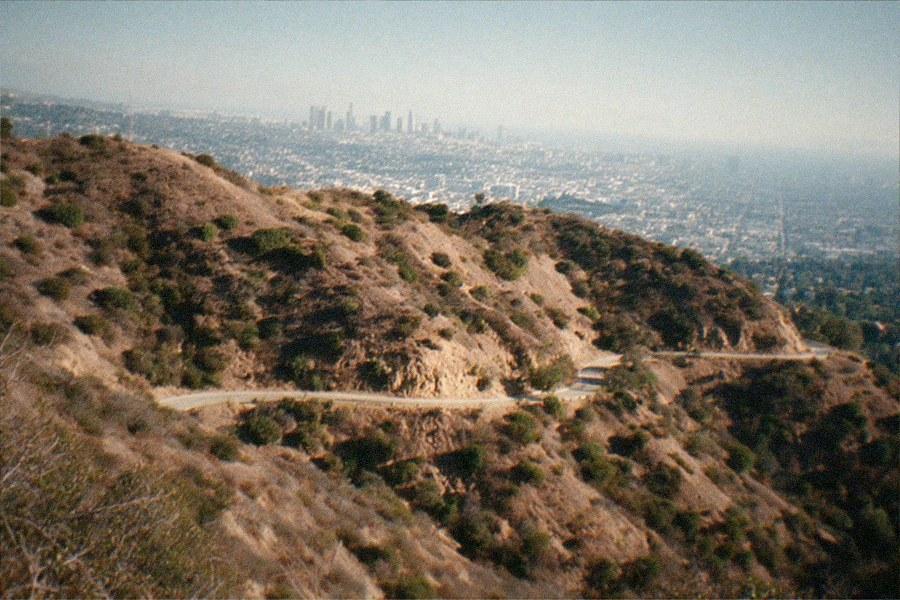
The building sits at 2800 East Observatory Road, at the top of Griffith Park, and the approach is the part that defeats visitors. Parking near the building is paid and scarce, with free parking further downhill and a walk or shuttle up the hill. On clear evenings and holiday weekends the road itself jams, and the observatory's own guidance points visitors toward the shuttle rather than the summit lots. Arriving near opening or after sunset midweek is the reliable pattern. The building itself is small by museum standards, an hour or two, but the combination of exhibits, dome shows and the view of the basin below makes it the most complete free science stop in the city.
What the observatory does better than any museum is answer the question children actually ask: what is that, up there. The planetarium shows are the paid product and they are the reason to go inside rather than stop at the terrace. The free halls, including the large scale model of the solar system stretched along the walls, are genuinely educational rather than decorative. Visitors deciding between the observatory and the science center on a short trip should weigh travel time: the observatory is a dedicated drive into the hills, while Exposition Park sits on a rail line.
| Layer at Griffith Observatory | Cost | Notes |
|---|---|---|
| Building and exhibit halls | Free | Closed Mondays |
| Planetarium shows | Ticketed | The reason to sit down inside |
| Parking near the building | Paid, no verified figure | Free further downhill |
| Live listing product | From $56 | 4.5 across 315 reviews |
What Can You Actually See At The La Brea Tar Pits?
You can still see plenty at the La Brea Tar Pits even though the museum building is closed for renovation. The outdoor Hancock Park landscape and the Lake Pit remain open and free to walk through, letting you view the bubbling asphalt seeps up close. The excavator tour is sold as the paid experience, giving visitors a look at active excavation work. This is the fact most city guides get wrong. The indoor museum, the fossil galleries and the observation windows into the lab are not visitable. Describing a family afternoon inside the museum today is describing a building with a construction fence around it. The site at 5801 Wilshire Boulevard is still worth the stop, but it is an outdoor stop, and the honest visit plans around that.
What remains is genuinely unusual. The Lake Pit, with its signature methane bubbles breaking the surface, sits visible from the sidewalk. The excavator tour walks visitors through the active fossil excavation, the place where the site's Ice Age bones are still coming out of the ground, and it is the one product that delivers the tar pits experience while the museum is shut. The product sells through its live listing, and this site does not quote a rating for it: the review base is too thin for a number to mean anything, so the listing shows what the listing shows. The 212-review count is the only figure worth carrying.
The free part of the visit pairs naturally with the Miracle Mile museums around it. The Petersen Automotive Museum, the Academy Museum and LACMA all sit on the same stretch of Wilshire Boulevard, which makes the tar pits a free half-hour between paid stops rather than a destination requiring its own trip. Visitors weighing the detour should read the is La Brea Tar Pits worth it breakdown before deciding, since the answer changed when the building closed. Parking in the area is paid, and no verified figure exists for the tar pits lot specifically, so the museum's own site is the source to check.
Is The Aquarium Of The Pacific Worth The Drive To Long Beach?
Yes, the Aquarium of the Pacific is worth the drive to Long Beach. At $49.95 at the door, a 4.5 rating across 794 reviews, and daily openings, it stands out as the strongest science day trip from central Los Angeles, with children under 3 admitted free on the ticket listing. It is not strictly a museum, and the site says so plainly, but it is the largest living collection in the region and the one science attraction where the drive is part of the decision. At 100 Aquarium Way on Rainbow Harbor, it pairs with the harbor, the Queen Mary sightline and the Long Beach waterfront, which is how a two-hour aquarium becomes a full day out.
The price is the highest single admission in this guide, and the honest question is whether a family gets more from it than from a free day in Exposition Park. The answer splits by age. The aquarium is at its best with children between roughly three and ten, the years when the shark lagoon and the touch tanks are the whole point of travel. Older visitors get a genuinely large collection, over a dozen major galleries, and the tropical and Southern California habitats in particular. The live listing sells from $50, matching the door, and the under-3-free rule on the ticket listing softens the family math more than most visitors expect.
Getting there is the real cost. The aquarium sits at the far end of Long Beach, a drive that can run an hour from central Los Angeles in traffic, and the harbor lots are paid with no verified figure this site will quote. The pairing that works is aquarium in the morning, harbor and lunch after, and nothing else scheduled, because the return drive eats the afternoon. Visitors who want the full day-trip set, including the art museums of Pasadena and the Huntington in San Marino, should check the indoor museums for a rainy day guide, which sorts the region's covered options by neighborhood.
What Should A Science Day In Los Angeles Cost?
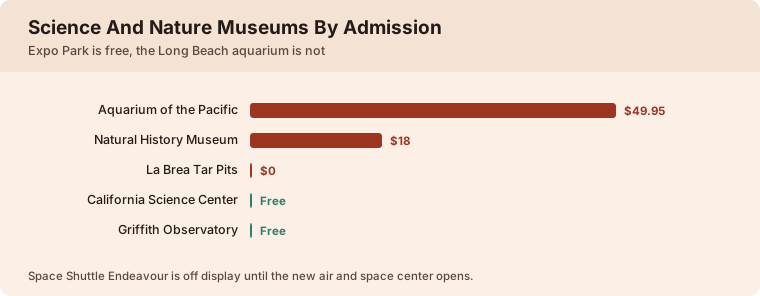
A realistic science day costs nothing to enter and roughly $25 to $60 per family beyond parking: free at the science center and the observatory, $18 per adult at the natural history museum, and paid parking at every single stop. The table below puts the numbers side by side, with the catches that change them. The one figure quoted flatly is the $18 natural history ticket. Parking prices at Exposition Park and Griffith are paid but unverified in this site's research, so the museum's own pages are the source of truth there, and no figure should be carried from one museum to another.
| Stop | Entry cost | The catch | Closed |
|---|---|---|---|
| California Science Center | Free | IMAX and special exhibitions ticketed; Endeavour off display until 13 November 2026 | Open daily |
| Natural History Museum | $18 | LA County residents free on weekday afternoons, on site only | First Tuesday of the month |
| California African American Museum | Free | Exposition Park parking is paid | Monday |
| Griffith Observatory | Free | Planetarium shows ticketed; parking paid near the building | Monday |
| La Brea Tar Pits (Hancock Park) | Free | Museum building closed for renovation; excavator tour is the paid product | Check the official site |
| Aquarium of the Pacific | $49.95 | Children under 3 free on the ticket listing; harbor parking paid | Open daily |
The pass question comes up here, and the answer is blunt: there is no Los Angeles CityPASS. Southern California CityPASS covers Disneyland, SeaWorld and LEGOLAND, and presenting it as a museum pass is the most common error in current guides. The real pass is Go City Los Angeles, from $94 for the All-Inclusive product covering 35-plus attractions, or from $244 for the Plus version with Universal Studios. Whether it beats individual tickets depends on how many paid stops a trip stacks up; a science-only day built on free entries will not clear the bar, while a week mixing the aquarium, the studio tours and the paid museums might.
Two small planning rules close the budget. First, the free museums are free at the door, not free at the curb: budget parking for every stop in this guide, and treat any article that quotes a single city-wide parking price as guesswork. Second, the resident windows, the weekday-afternoon deals at the natural history museum and LACMA, are for LA County residents with ID, and no tourist itinerary should count on them. The science museums overview page keeps the live ticket options for the science center in one place for visitors who want the paid layers booked ahead.
The three paid products in this guide, the natural history museum's flat ticket, the science center's bundled listing and the aquarium's admission, are the only places a science-focused trip spends money beyond parking. Everything else, the observatory halls, the African American museum, the Hancock Park landscape, is genuinely free at the door. That balance is unusual for a major city, and it is the reason a well-planned Los Angeles science day can cost less than a single ticket elsewhere in the country.
Common Questions About Science Museums In Los Angeles
What Is The Best Science Museum In Los Angeles For Kids?
The California Science Center is the strongest choice for children: free entry, open daily, and built around hands-on galleries. The Natural History Museum next door suits kids who want dinosaurs, at $18 per adult. Families with children under 10 often do both in one Exposition Park afternoon.
Is The California Science Center Free?
Yes, general admission to the permanent galleries is free every day. IMAX films, special exhibitions and groups of 20 or more are ticketed separately, and parking in Exposition Park is paid.
Can You See Space Shuttle Endeavour?
Not yet. Endeavour is off display until the Samuel Oschin Air and Space Center opens on 13 November 2026. No current product or tour includes a shuttle viewing.
Is The Natural History Museum Closed On Tuesdays?
It closes only the first Tuesday of the month, not every Tuesday. That rotating closure is the one most likely to break an Expo Park itinerary, so check the calendar before setting the date.
Is The La Brea Tar Pits Museum Open?
The museum building is closed for renovation. Hancock Park, the Lake Pit and the outdoor excavator tour are open, and the outdoor areas are free to walk.
Is Griffith Observatory Free?
Building admission is free and the site closes Mondays. Planetarium shows are ticketed, and parking near the building is paid, with free parking further downhill.
How Much Does The Aquarium Of The Pacific Cost?
Admission is $49.95 at the door and from $50 on the live listing, open daily, with children under 3 free on the ticket listing. Harbor parking is paid and separate.
Is There A Los Angeles CityPASS?
No. Southern California CityPASS covers Disneyland, SeaWorld and LEGOLAND, not museums. The real multi-attraction pass is Go City Los Angeles, from $94.