What is open at La Brea Tar Pits during the museum renovation: the Lake Pit, Hancock Park, parking, transit and how long to allow on Wilshire Boulevard.
Opens the official listing with live dates and prices. Book there; nothing is charged on this site.
Area
Miracle Mile
Theme
Science & nature
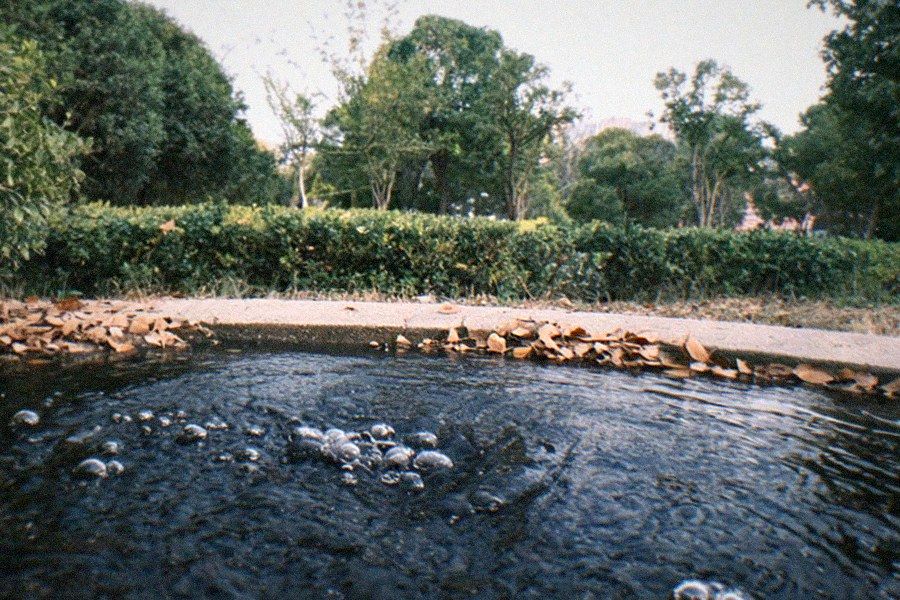
Bubbles rise steadily through the black surface of the Lake Pit on Wilshire Boulevard, breaking into slow rings beside the fiberglass mammoth family that has stood in the water since 1968. This is the most visible piece of La Brea Tar Pits, the only active Ice Age fossil excavation site inside a major American city, and right now the outdoor park is the main event. The George C. Page Museum building is closed for renovation, so a visit today means the Lake Pit, the observation points over the bubbling asphalt seeps, and Hancock Park, where excavator pits sit between lawns and walking paths. It is free to walk, it sits on the Miracle Mile museum corridor, and it pairs naturally with the paid museums around it.
What Can You Actually See At La Brea Tar Pits Right Now?
The outdoor site is fully walkable and free: the Lake Pit with its mammoth sculptures, the bubbling asphalt seeps, the fenced excavation areas of Hancock Park and the pathways between them. The museum building itself is closed for renovation, so there are no indoor galleries, no fossil displays inside and no museum-cafeteria stop.
That closure is the single most important thing to understand before you plan a visit, because much of the information still circulating online describes an indoor museum that no longer exists in that form. The museum's own site states it plainly: the building is undergoing a multi-year renovation, and until it reopens, the experience is the park.
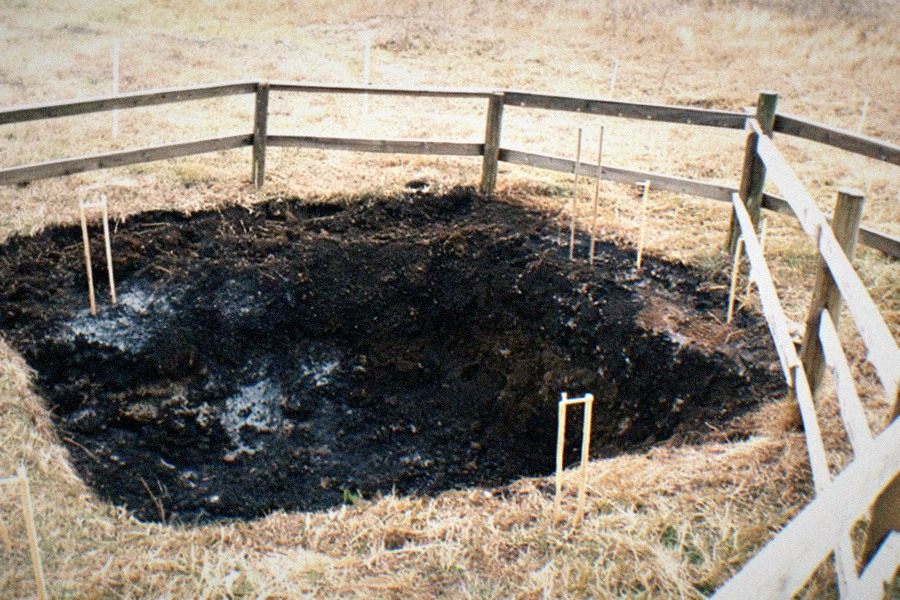
What that experience looks like in practice: you walk a compact green park squeezed between Wilshire Boulevard and the surrounding Miracle Mile blocks. The Lake Pit is the headline view, an open pond of natural asphalt where methane bubbles visibly rise. Around it, Hancock Park contains the fenced excavation sites, including the famous Pit 91, where paleontologists have been pulling Ice Age bones out of the ground since the early twentieth century. Depending on the season and the dig schedule, you may see active excavation work from public viewing areas, or the pits may be quiet and covered.
The fossils pulled from this ground are world-famous: saber-toothed cats, dire wolves, ground sloths, mammoths and thousands of smaller birds, lizards and plants, all trapped in the sticky asphalt over tens of thousands of years. The site is not a recreation or a theme park version of paleontology. It is the real deposit, still seeping, still producing material, sitting in the middle of Los Angeles.
The Lake Pit and its mammoth family, the most photographed view on the La Brea Tar Pits site.
Because the park is free and open, this is also one of the most flexible stops in the Miracle Mile. You can spend fifteen minutes on a walk between other museums, or an hour or more reading the outdoor interpretive signage and circling the pits. Families with young children tend to stay longest, since the bubbling asphalt and the animal sculptures do a lot of the work on their own.
How Much Do La Brea Tar Pits Tickets Cost?
Walking the outdoor site costs nothing. There is no ticket gate, no timed entry and no admission charge for Hancock Park or the Lake Pit while the museum building is closed for renovation. Any paid experience you book is a guided product layered on top of a free site.
That makes La Brea Tar Pits unusual for the Miracle Mile, where its neighbors on Wilshire Boulevard all charge general admission. The honest way to budget a visit is to treat the free park as the base and decide separately whether you want a guided layer on top of it. This site carries a the booking platform listing for the Tar Pits experience; check availability on the listing if you want a guided visit rather than walking the park yourself.
What you should not do is buy a ticket expecting indoor galleries. The renovation closure means the classic Page Museum visit, the one older guidebooks describe, is not currently on offer. Anyone selling you that visit is selling something that does not exist right now.
Experience
Price
Notes
Hancock Park and the Lake Pit
Free
Open outdoor space, no ticket needed
Guided Tar Pits experience (the booking platform listing)
On the listing
Check availability on the listing for current pricing
Museum building (George C. Page Museum)
Closed
Closed for renovation; no indoor admission on sale
Parking nearby
Paid
See the official site for current rates
If you are building a paid museum day around the Tar Pits, the corridor gives you options. The Academy Museum of Motion Pictures and the Petersen Automotive Museum are both within a short walk along Wilshire, and LACMA sits directly across the street. The Tar Pits is the free anchor in the middle of a paid row, which is exactly how many visitors use it.
Where Do You Park For La Brea Tar Pits?
Parking near the Tar Pits is paid, and there is no dedicated free lot for the park itself. The museum's own site is the source for current rates and lot locations, since the renovation has changed how parts of the site are used.
The Tar Pits sits at 5801 Wilshire Boulevard, on a stretch where every museum manages its own parking situation and none of it is free. The surrounding Miracle Mile is dense, metered street parking exists but fills quickly on weekends and museum days, and the lots serving the Museum Row institutions are the practical choice for most visitors.
A few practical notes for planning. First, do not count on street parking as your plan; treat it as a bonus if a meter happens to open up on a side street. Second, the same lots you would use for LACMA or the other Wilshire museums generally work for the Tar Pits, because the whole corridor is walkable. Third, because the outdoor park is free and has no entry gate, you can also park once for a longer Museum Row day and fold the Tar Pits into a walking loop between the other institutions.
If you want to skip parking entirely, the site is reachable by transit. The Los Angeles County Metropolitan Transportation Authority runs bus lines along Wilshire Boulevard, one of the busiest transit corridors in the county; current routes, stops and schedules are on metro.net. The Wilshire corridor buses stop within a short walk of the park, and the same transit planning works for the rest of Museum Row.
For drivers comparing the Miracle Mile museums: parking here is the norm, not the exception. The Getty Center charges $25 per car, dropping to $15 after 3pm, and that is the verified benchmark for museum parking in Los Angeles. Nothing on Wilshire is free to park at, so budget for it whichever museum you choose.
How Long Should You Spend At The Tar Pits?
Plan on 45 minutes to an hour for a self-guided walk of the outdoor site, longer if you book a guided experience or visit during active excavation. Without indoor galleries, this is not an all-day museum stop on its own.
The park itself is compact. A loop past the Lake Pit, around the fenced excavation areas and through the interpretive signage takes most visitors under an hour at a relaxed pace. Families with children often stretch that out, because the bubbling asphalt, the mammoth sculptures and the idea of standing on top of an active fossil site hold attention well.
The smarter move for most visitors is to fold the Tar Pits into a half-day or full day on the Miracle Mile. The corridor is one of the best museum walks in the country: LACMA is directly across Wilshire Boulevard, the Academy Museum of Motion Pictures and the Petersen Automotive Museum are a few blocks east, and the whole stretch is flat and walkable. A common pattern is a morning at one of the paid museums, a free Tar Pits walk at midday, and an afternoon at a second museum.
One of the Hancock Park excavation sites, where Ice Age fossils are still recovered from the asphalt deposits.
For visitors building a wider science-and-nature trip across Los Angeles, the Tar Pits pairs naturally with the Natural History Museum in Exposition Park, which holds one of the great fossil and dinosaur collections on the West Coast, and with the California Science Center next door to it. The Tar Pits gives you the active dig site; those two give you the finished galleries. Note that the Natural History Museum closes on the first Tuesday of the month, so check days before committing to that pairing.
When Is The Best Time To Visit?
The outdoor park follows daylight hours, and because there is no indoor museum at present, weather and light matter more than usual. Midweek mornings are the calmest time; weekends bring the Museum Row crowds and the hardest parking.
There is no closed day to work around in the way other LA museums have them; the site's current closed-day status is best confirmed on the official site, since the renovation has shifted how the grounds are managed. What you are really scheduling around is the corridor itself. Wilshire Boulevard's Museum Row draws heavily on weekends, when the shared parking lots fill and the sidewalks between museums get busy.
Seasonally, the park is at its best on overcast or mild days, because the walking is entirely outdoors and Los Angeles summer afternoons can be hot on unshaded stretches of the paths. The bubbling asphalt of the Lake Pit is visible year-round, and it is genuinely more active-looking in warmer weather, when the surface moves more visibly.
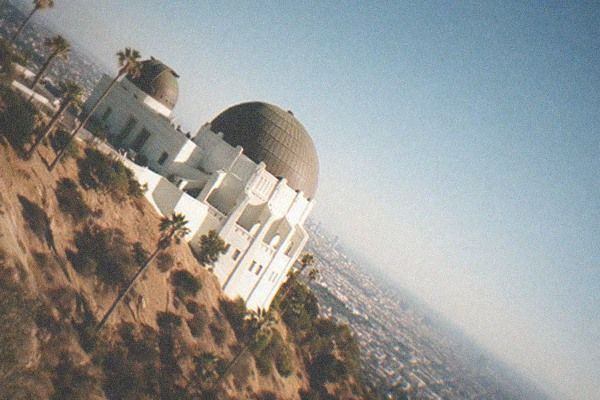
One timing note that matters for the wider area: if you are combining the Tar Pits with a trip to Griffith Park, the Griffith Observatory is closed on Mondays, and its parking situation is its own challenge, with paid parking near the building and free parking further downhill. Planning the two on separate days, with the Miracle Mile on one and Griffith Park on the other, is the usual advice.
What Is At A Glance?
La Brea Tar Pits is a free outdoor fossil site on the Miracle Mile at 5801 Wilshire Boulevard, with the museum building closed for renovation and the park, Lake Pit and viewing areas open to walk. Allow about an hour, plus more if you pair it with the neighboring museums.
Detail
Value
Address
5801 Wilshire Boulevard, Los Angeles, CA 90036
Area
Miracle Mile, Museum Row
Admission
Outdoor park free; museum building closed for renovation
Hours
On the official site
Closed day
Check the official site
Parking
Paid; current rates on the official site
Time to allow
About an hour for the outdoor walk
Transit
Wilshire Boulevard buses; see metro.net
The renovation is the fact to check before any visit. Details on what is open, what is fenced and what the reopening timeline looks like are maintained at tarpits.org, and that is the page to trust over older third-party guides that still describe the indoor museum. For the free walk itself, nothing more complicated is required: arrive, walk the park, and let the bubbling asphalt do the rest.
Questions People Ask
Is La Brea Tar Pits free to visit?
Yes, the outdoor site is free. Hancock Park and the Lake Pit remain open and free to walk while the museum building is closed for renovation. There is no ticket gate or admission charge for the outdoor areas. Any paid option is a guided experience layered on top of the free park.
Is the La Brea Tar Pits museum open?
No. The George C. Page Museum building is closed for renovation. The outdoor Hancock Park, the Lake Pit and the viewing areas over the excavation pits are what is open. Check the official site at tarpits.org for the current status and reopening information.
How long does a visit take?
Plan on about an hour for a relaxed self-guided walk of the outdoor site. Without indoor galleries, the Tar Pits is not an all-day stop on its own. Most visitors pair it with the neighboring Miracle Mile museums, which are all within walking distance along Wilshire Boulevard.
Where do you park for La Brea Tar Pits?
Parking nearby is paid, and there is no free dedicated lot for the park. The lots serving the Museum Row corridor are the practical choice, and current rates and locations are listed on the official site. Metered street parking exists in the surrounding blocks but fills quickly.
Can you get to La Brea Tar Pits by public transit?
Yes. The site sits on Wilshire Boulevard, one of the busiest bus corridors in Los Angeles County, and Wilshire buses stop within a short walk of the park. Current routes, stops and schedules are available at metro.net.
Can you still see fossils being excavated?
The excavation pits in Hancock Park are visible from public viewing areas, and depending on the season and dig schedule you may see active excavation work, or the pits may be quiet and covered. The site is a genuine, still-productive Ice Age fossil deposit, not a recreation.
What else is near La Brea Tar Pits?
The Tar Pits anchors Museum Row on the Miracle Mile. LACMA is directly across Wilshire Boulevard, and the Academy Museum of Motion Pictures and the Petersen Automotive Museum are a few blocks east. The Natural History Museum and the California Science Center in Exposition Park make a natural second day for science-focused visitors.
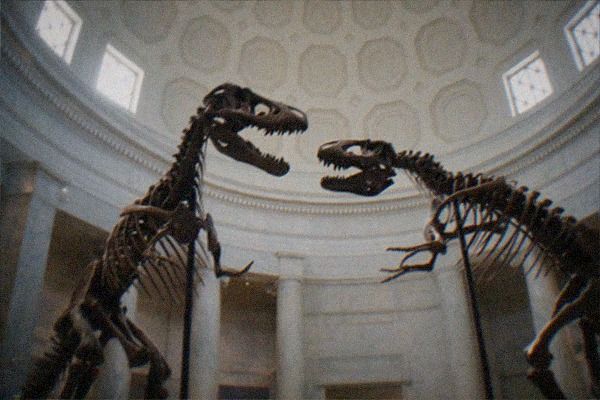
Natural History Museum LA tickets from $18: dinosaur halls, Exposition Park parking, hours, the first-Tuesday closure and LA County free afternoons, explained.
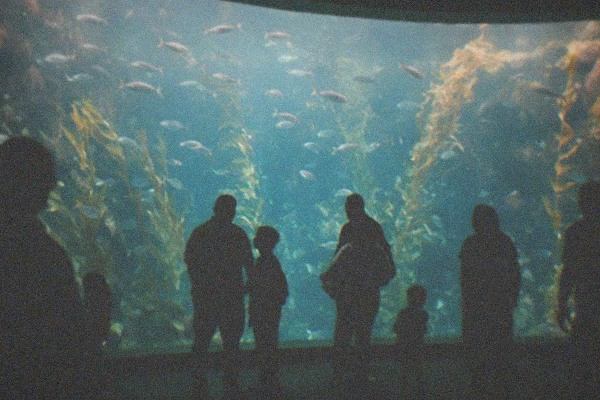
Aquarium of the Pacific tickets from $50, open daily in Long Beach's Rainbow Harbor. Parking, hours, how long to allow, and what to see at Southern California's big aquarium.