Do You Need Tickets For Griffith Observatory, And What Does Parking Cost?
Griffith Observatory's building is free to enter, planetarium shows are ticketed, and parking is the part that needs planning. Here is how the tickets, the shows and the parking actually work.
Do You Need Tickets For Griffith Observatory, And What Does Parking Cost?
No, you do not need a ticket to enter Griffith Observatory. Building admission is free, with no reservation and no timed entry. What costs money are the planetarium shows inside, which are ticketed separately at the box office, and parking near the building, which is paid. Free parking exists further downhill, and that trade-off is what most visitors should plan around.
That is the short version, and it is the version most Los Angeles guides get wrong in one direction or the other. Some describe the observatory as entirely free, which is true of the building and false the moment you want to sit down for a planetarium show or park within walking distance of the door. Others describe it as ticketed, which is false for general entry. The honest answer splits the visit into three parts: the free building, the paid shows, and the parking, which is the piece that genuinely decides how your day goes.
The observatory sits at 2800 East Observatory Road, inside Griffith Park, on the south slope of Mount Hollywood. It is not a museum in the strict sense, and this site says so plainly: it is a working observatory with exhibition halls, telescopes and a planetarium, owned by the City of Los Angeles. It appears in this site's science and nature coverage because that is what families searching for it are comparing it against, and because its free building admission makes it one of the most visited cultural attractions in the region.
If you are building a wider trip around free entry, the observatory belongs on the same list as The Broad downtown and the California Science Center in Exposition Park, both of which also admit walk-ins to their general spaces without a fee. The difference is that Griffith's paid layer, the planetarium, is one of the best of its kind, and its parking problem is worse than almost any other free attraction in the city. Planning for those two things is the whole job.
For visitors who would rather not solve the parking puzzle themselves, a paid visit option exists. The operator's live listing offers a Griffith Observatory experience from $56, rated 4.5 across 315 reviews, which handles the hillside logistics that trip up most first-time visitors. It is not required, nothing about the building demands it, but it removes the single most common frustration. You can also read more about whether the observatory is worth going inside before committing to the shows.
How Much Do Planetarium Shows Cost At Griffith Observatory?
Planetarium shows are the only thing inside Griffith Observatory that requires a ticket, bought at the box office on site. Show times run through the day and evening, and seats are limited because the theater is small. The building's exhibition halls, telescopes and viewing terraces remain free whether or not you buy a show ticket. The current show price is on the observatory's own site and at the box office.
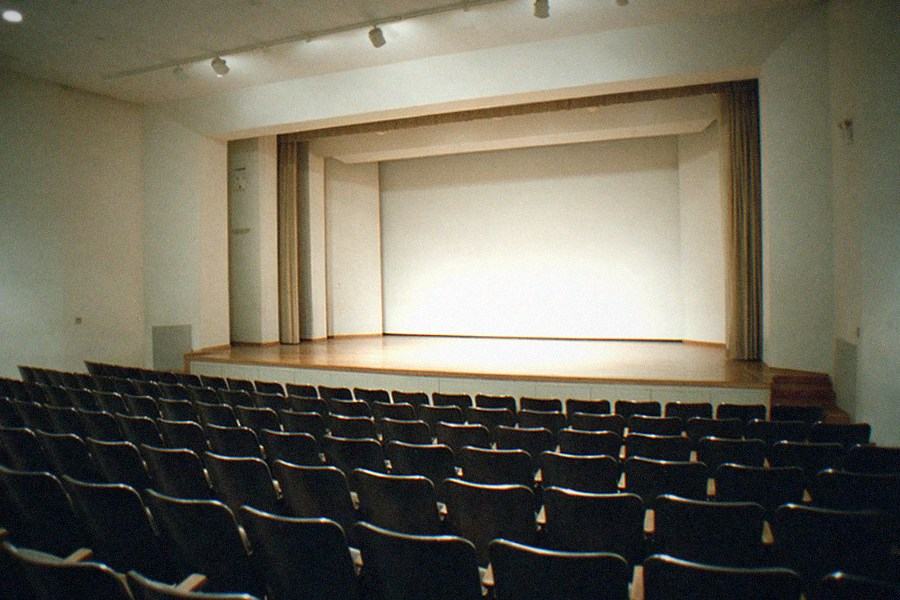
The Samuel Oschin Planetarium is the reason the observatory has a paid layer at all. Its dome is one of the largest and most technically advanced in the world, and the shows produced for it are not the generic star presentations many visitors remember from school trips. Each one is narrated live by a presenter, which is unusual, and the schedule typically includes shows aimed at younger children in the earlier slots and more technical astronomy programming later in the day. The exact price is not printed here because it moves; check the observatory's own site before you go, or buy at the box office when you arrive.
Two practical notes matter more than the price. First, shows sell out on busy days, especially weekends and holiday evenings, so if a planetarium show is the point of your visit, arrive early or check the schedule in advance. Second, the free parts of the building are genuinely worth the trip on their own. The Hall of the Sky, the Hall of the Eye, the Tesla coil demonstrations and the public telescopes on the lawn are all included in the free entry, and the views from the west terrace over the city are the reason many people come in the first place.
The paid visit option covers this ground differently. For visitors who want the planetarium experience without the uncertainty of box office availability, the operator's listing from $56 bundles the visit with transport up the hill, and its 4.5 rating across 315 reviews suggests the format works. Availability is the real constraint here rather than price: show seats and hillside access both thin out on popular evenings, so checking the live listing early is the practical move.
Where Can You Park At Griffith Observatory, And What Does It Cost?
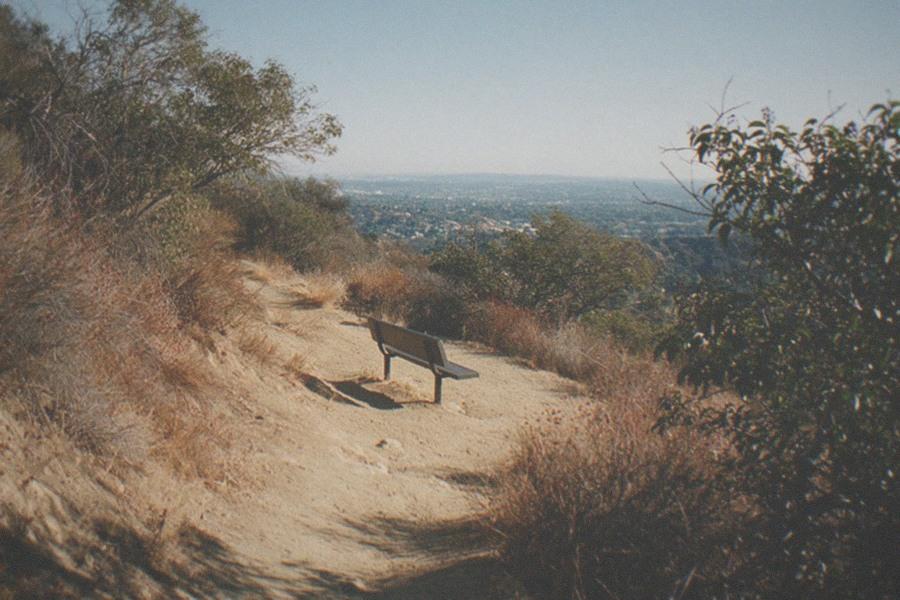
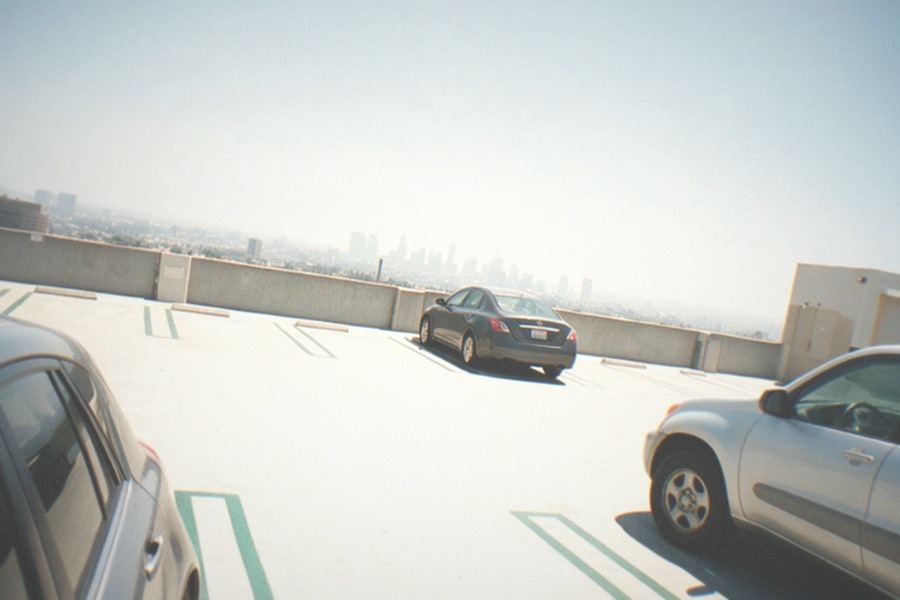
Parking near the observatory building is paid and tight, with the small lots immediately around the dome filling first. Free parking exists further downhill along the park roads, but it means a steep uphill walk of roughly a mile. There is no exact figure printed here for the paid lots because the observatory's own site is the reliable source, and parking prices in Los Angeles change often enough that a stale number is worse than none.
This is the part of the visit that deserves the most planning, and it is where Griffith differs from every other attraction on this site. The road up to the observatory is a single winding lane through Griffith Park, and on weekends, holiday evenings and any clear night after a cloudy week, the queue for the top lots can stretch far down the hill. The observatory's own site is the source to check for the current paid rate and for any restrictions on the road itself, which the city sometimes closes to uphill traffic on the busiest days.
The honest comparison is with the Getty, Los Angeles's other great free hilltop attraction, where the numbers are settled and printed with confidence: Getty Center parking is $25 per car, dropping to $15 after 3pm, confirmed on the museum's own page at getty.edu parking information. Griffith's parking situation is looser than that, with paid spots near the building and free spots downhill, and the trade is simple: money for proximity, or a hike for savings. Visitors with small children, mobility limits or evening plans usually pay. Visitors with legs and daylight often park low and walk up through the park, which is itself one of the better walks in the city.
| Parking option | Where it is | What it costs | What to expect |
|---|---|---|---|
| Lots at the building | Immediately around the observatory | Paid, check the observatory's site | Fills first, closest to the door, hardest on weekend evenings |
| Downhill road parking | Along the park road below the summit | Free | A steep uphill walk of roughly a mile, thins out later in the day |
| Lower park lots and trailheads | Deeper in Griffith Park | Varies, check the park's site | Adds a real hike, best combined with a trail day |
One more planning note: the parking crunch is worst at sunset, because that is when both the city views and the evening sky are at their best, and everyone knows it. Arriving two or three hours before sunset, or going on a weekday morning, changes the experience completely. The building is the same either way, but the hour of your life you save in a queue is not.
When Is Griffith Observatory Open, And When Should You Go?
Griffith Observatory is closed Mondays and open the rest of the week, with evening hours most days because it is a working observatory. The best visiting windows are weekday mornings for quiet galleries and clear weekend evenings for telescopes and skyline views. Mondays are the trap: visitors who plan a Griffith day for a Monday find the gates shut.
The Monday closure matters more here than at most attractions because Griffith Park itself is open daily, so people drive up, park, walk the grounds and only then discover the building is dark. The same trap catches visitors to the Autry Museum across the park, also closed Mondays, and to the Hammer Museum in Westwood. If your trip includes a Monday, the attractions that welcome you are the California Science Center and the Petersen Automotive Museum, both open daily, and the Aquarium of the Pacific in Long Beach, open every day of the year. The site's full rundown of museums open on Monday handles that planning problem in detail.
Evening hours are the observatory's real advantage over conventional museums. Because it exists to look at the sky, it stays open into the night, and on clear evenings the free public telescopes on the lawn are staffed and pointed at whatever is worth seeing that week. That is a genuinely rare thing in a free attraction, and it reframes the timing question: a daytime visit gives you the exhibits and the city view, while a nighttime visit gives you the sky. Some visitors do both in one day, parking once and staying through sunset.
Season and weather matter more than most guides admit. The marine layer that blankets Los Angeles in late spring mornings, locally called May Gray and June Gloom, can erase the famous view entirely, while autumn evenings are the most reliably clear. Smoke from wildfire season can close the park outright on bad days, so a quick check of park conditions before driving up is worth the thirty seconds.
What Can You See Inside Griffith Observatory Without Paying Anything?
Everything except the planetarium shows is free: the Hall of the Sky, the Hall of the Eye, the Tesla coil, the pendulum, the outdoor telescopes on clear evenings, and the terraces with their views over the city to the ocean. A visitor who spends nothing still gets hours of exhibits, and the free layer is the majority of the building.
The free galleries are not a token gesture. The Hall of the Sky explains the sun, the seasons and the phases of the moon with large interactive displays, and the Hall of the Eye covers the history and science of looking at the sky, from early telescopes to modern observatories. The Foucault pendulum hanging in the central rotunda demonstrates the rotation of the earth in real time, and the coelostat, a live solar telescope, projects an actual image of the sun onto a viewing screen where visitors can watch sunspots move. On a clear day that alone justifies the drive.
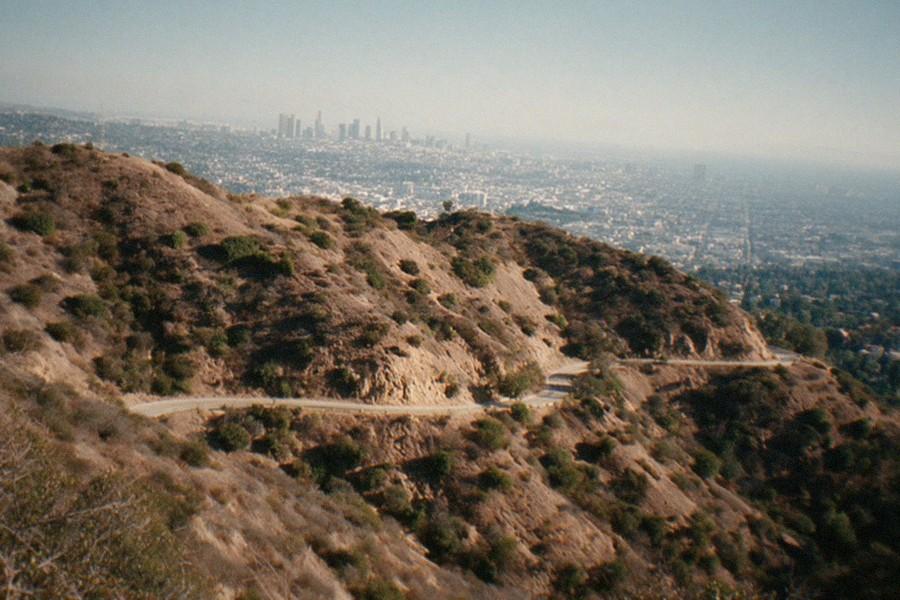
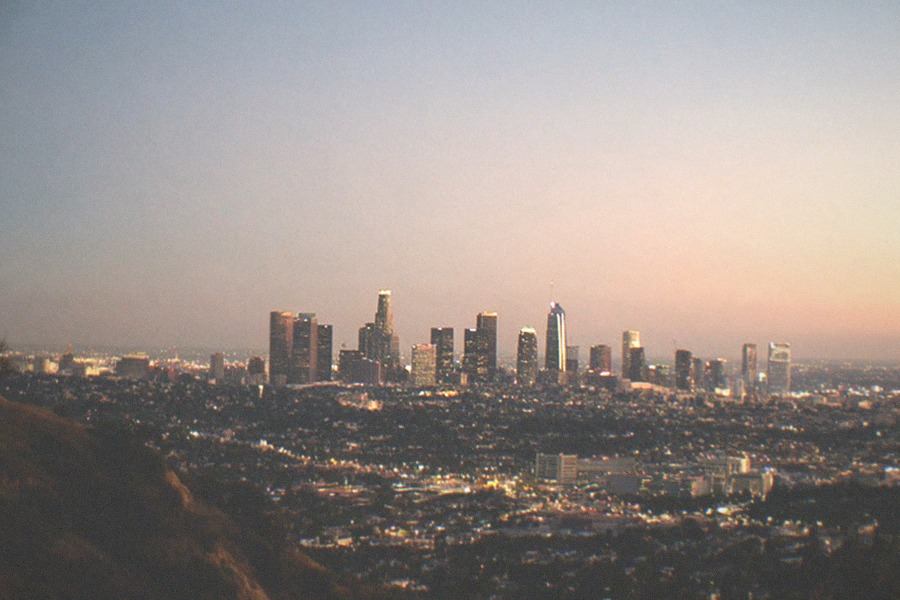
The exterior is half the attraction. The building is a 1935 Art Deco landmark, and its west terrace looks over Los Angeles from the Hollywood Sign on the northwest to the Pacific on the southwest, with the city grid laid out below. The east side faces the sign directly, and the short walk to the surrounding viewpoints is where most of the photographs people associate with the observatory are actually taken. None of that requires a ticket, a reservation or even entry to the building, which is why the site's guide to the best science museums in Los Angeles treats Griffith as much as a viewpoint as an exhibition space.
For visitors pairing the observatory with other free stops, Los Angeles is unusually generous, though never in an unqualified way. Eleven of the thirty museums on this site are free to enter, but each free door has a catch beside it: The Broad is free but releases timed tickets monthly and they go fast, the California Science Center is free but charges for IMAX and special exhibitions, and the Getty museums are free but charge $25 to park. The honest sentence always names the catch, and Griffith's catch is the planetarium and the parking.
How Do You Get To Griffith Observatory Without A Car?
Visitors without a car reach Griffith Observatory by public transit connections to the park, then a walk uphill, or by rideshare to the top. The hill is the complication: transit drops you below the summit and the last stretch is steep. Rideshare and the paid visit option both solve the climb, which is why many car-free visitors choose one of them.
The observatory's own site publishes the current transit routes and any shuttle information, and that is the source to check, because routes through Griffith Park change more often than museum hours do. The general shape is stable: buses and rail get you to the edges of the park, and from there the options are the uphill hike, a rideshare to the summit road, or a tour that includes the transport. The hike from the lower trailheads is a real one, several miles round trip with elevation, so visitors should treat it as a park walk rather than a stroll from a bus stop.
This is where the paid visit product earns its keep for some travelers. The operator's listing, from $56 and rated 4.5 across 315 reviews, includes the hillside transport that car-free visitors otherwise have to improvise. For a family on a short trip, the arithmetic is straightforward: the building is free, so the entire cost of the paid option is buying back the time and uncertainty of the road. Whether that is worth it depends on how much of a queue tolerance the group has, and how firm the evening plans are.
For context on how other free attractions handle the same problem, the Getty Center runs its own hillside tram from a parking structure at the base, which is why its parking fee buys a genuinely car-free summit experience once you arrive. Griffith has no equivalent, and the city has debated shuttles and road closures for years without settling on one. Plan around the hill, not around a shuttle that may not exist when you visit.
How Does Griffith Observatory Compare To Other Los Angeles Museum Visits?
Griffith is the best free building in the city and the hardest free parking in the city, a combination no other attraction shares. The Getty pair offers free art with expensive structured parking, The Broad offers free art with a ticket scramble, and the paid museums like the Academy and the Petersen trade money for predictability. Choosing between them is really choosing which inconvenience you prefer.
The comparison worth making is not quality, because the observatory is not competing with an art museum on the same terms. It is logistics. A day at the Petersen Automotive Museum, $22 at the door and open daily, is completely predictable: drive to Wilshire Boulevard, park in the structure, walk in. A day at Griffith is free and unpredictable: the road may be closed to uphill traffic, the lots may be full by noon, the planetarium may sell out before you reach the box office. Visitors who value predictability should pay for it somewhere, either at a ticketed museum or through the observatory's paid visit option.
| Attraction | Building entry | The paid layer | The parking reality |
|---|---|---|---|
| Griffith Observatory | Free | Planetarium shows, ticketed at the box office | Paid near the building, free downhill, worst at sunset |
| The Getty Center | Free, timed reservation required | None, though dining adds up | $25 per car, $15 after 3pm, structured and reliable |
| The Broad | Free, timed tickets released monthly | Special exhibitions can be ticketed | Paid downtown structures, no museum lot |
| Academy Museum | $25, under-17s free | The Oscars Experience, a $10 add-on | Paid Miracle Mile structures, around $17 at the Petersen next door |
The pattern across the city is consistent and worth internalizing: in Los Angeles the admission price is rarely the real price. This is the gap Los Angeles Museums exists to explain, because the search volume tells the story, with the per-museum parking cluster running to roughly 48,000 searches a month and the Getty parking question alone at 12,100. People have learned that the ticket is the small number and the parking is the big one.
If Griffith's sunset crunch sounds unappealing, the alternative pairing is a Miracle Mile day, where the Academy Museum, the Petersen and the La Brea Tar Pits sit within a short walk of each other, all with paid structures nearby and no hillside roulette. The trade there is money for certainty, which is a perfectly reasonable thing to buy on a short trip.
Common Questions About Griffith Observatory Tickets And Parking
Do You Need Tickets For Griffith Observatory, And What Does Parking Cost?
No ticket is needed to enter the building, and admission is free with no reservation. Planetarium shows are ticketed separately at the box office. Parking near the building is paid, with free parking further downhill along the park road; the observatory's own site has the current paid rate.
Is Griffith Observatory free to visit?
The building and all its exhibition halls, terraces and public telescopes are free. The only paid elements are the planetarium shows inside and parking near the summit. Nothing about general entry requires a purchase or a timed reservation.
What days is Griffith Observatory closed?
The observatory is closed Mondays. It is open the rest of the week, including evenings on most days, because it operates as a working observatory after dark. Griffith Park itself is open daily, so the grounds are accessible even when the building is closed.
Can you buy planetarium tickets in advance?
Shows are sold at the box office on site, and the current schedule and price are published on the observatory's own site. Seats are limited and popular evening shows sell out on weekends, so arriving early is the practical safeguard.
Is there free parking at Griffith Observatory?
Yes, further downhill along the park road, roughly a mile below the summit. The trade is a steep uphill walk. The lots immediately around the building are paid, and the observatory's own site is the source for the current rate.
What can you see inside without paying anything?
The Hall of the Sky, the Hall of the Eye, the Foucault pendulum, the live solar telescope, the Tesla coil demonstrations, the public telescopes on clear evenings, and the viewing terraces over the city are all included in free admission.
Is the paid Griffith Observatory tour worth it?
The building does not require it, since entry is free. What the paid option buys, from $56 on the operator's live listing, is the hillside transport and the planning taken care of, which matters most for car-free visitors and anyone targeting a busy sunset evening.